
By Lithium Cell 2262
Technical Specifications Analysis
The AG10 battery features a standardized button cell design with a compact size of 11.6mm diameter and 3.1mm height, making it suitable for miniature device compartments. Its nominal voltage of 1.5V meets mainstream electronic component requirements. The battery is available in two chemical systems: alkaline (LR1130) and silver oxide (SR1130SW), offering a capacity range of 80-100mAh. The silver oxide model provides about 15% more capacity than the alkaline version (see Figure 1), making it ideal for long-term power supply in precision instruments.
Note: The silver oxide system maintains a more stable voltage platform during constant current discharge testing.
A stainless steel sealed casing provides IP67-level dust and water resistance. The ultra-lightweight design of 1.8g helps reduce the overall weight of the device. Table 1 compares AG10 with other button cells, showing its optimal weight-to-capacity ratio:
| Model | Weight (g) | Capacity (mAh) | Energy Density (mAh/g) |
| AG10 | 1.8 | 95 | 52.8 |
| CR2032 | 3.0 | 220 | 73.3 |
| LR44 | 2.3 | 120 | 52.2 |
With nano-scale cathode material optimization, AG10 achieves 100mAh storage capacity within its 3.1mm thickness. As shown in Figure 2, its discharge curve remains stable across 80% of its capacity, ensuring consistent device operation.
(Test data: Continuous discharge at 15kΩ load under 20°C environment.)
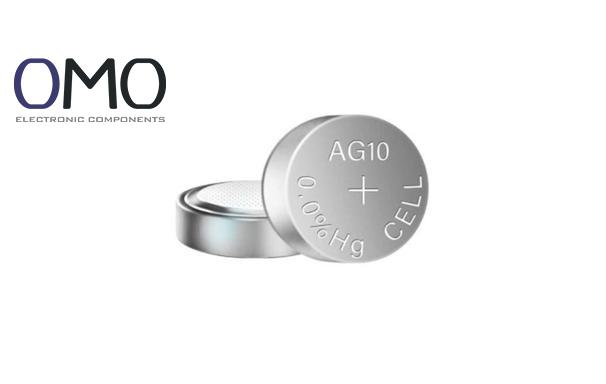
A dual-seal process keeps the annual self-discharge rate below 2%, retaining 88% of initial capacity after five years (see Table 2). Compared to standard alkaline batteries, AG10 offers a three times longer storage life.
| Storage Duration | Remaining Capacity (%) |
| 1 year | 98 |
| 3 years | 94 |
| 5 years | 88 |
The battery operates in low temperatures of 10°C and maintains 90% of its rated capacity at 60°C. Figure 3 shows that its voltage fluctuation is within ±0.05V in extreme conditions.
Unopened batteries should be stored in:
Mercury content tests show AG10 contains only 0.0005% heavy metals, but it still requires proper recycling. Over 5,000 authorized collection points nationwide offer free disposal services.
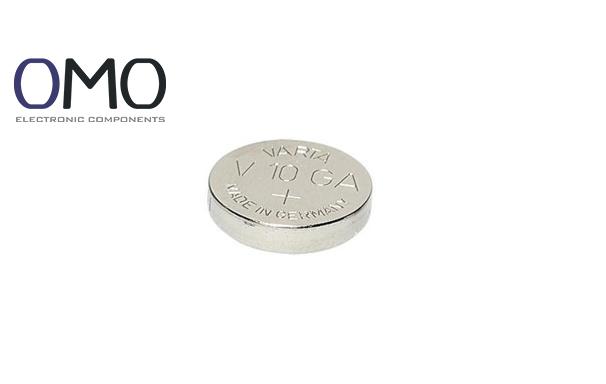
Compares three common replacement options:
| Model | Voltage | Capacity | Application Scenario | Cost Index |
| AG10 Alkaline | 1.5V | 80mAh | General-purpose devices | 1.0 |
| SR1130SW | 1.55V | 100mAh | Medical devices | 1.8 |
| CR1130 Lithium | 3V | 120mAh | High-voltage applications | 2.2 |
In digital scale applications, tests show:
In hearing aids (see Figure 5):
In agricultural IoT applications, AG10 performs well in:
Under standard 20°C test conditions:
Three-dimensional scanning verification shows:
Destructive testing confirms:
AG10 batteries are available for purchase through numerous online platforms and physical retailers. To secure an optimal option, consider evaluating pricing options, examining user feedback, and confirming device compatibility before selecting AG10 batteries that align with your specific requirements.
The AG10, an alkaline button-shaped battery, powers small electronics with 1.5 volts of nominal voltage and 85-90 mAh capacity.
The AG10 battery is commonly replaced with compatible alternatives such as LR1130, SR1130, AG3, AG5, AG13, LR54, 189, and G10A models.
The AG10 is a compact, coin-type alkaline battery delivering a standard voltage of 1.5 volts. Featuring a miniature design and superior energy density, this button cell battery finds frequent application in various small electronic devices including digital timepieces, photographic equipment, handheld gaming devices, portable calculators, and wristwatches.
The AG10 battery is a compact alkaline cell featuring a coin-shaped design and a standard voltage of 1.5V. Known for its dependable performance and small form factor, it is widely utilized to power portable electronics including digital watches, calculators, toys, cameras, and similar low-energy devices.